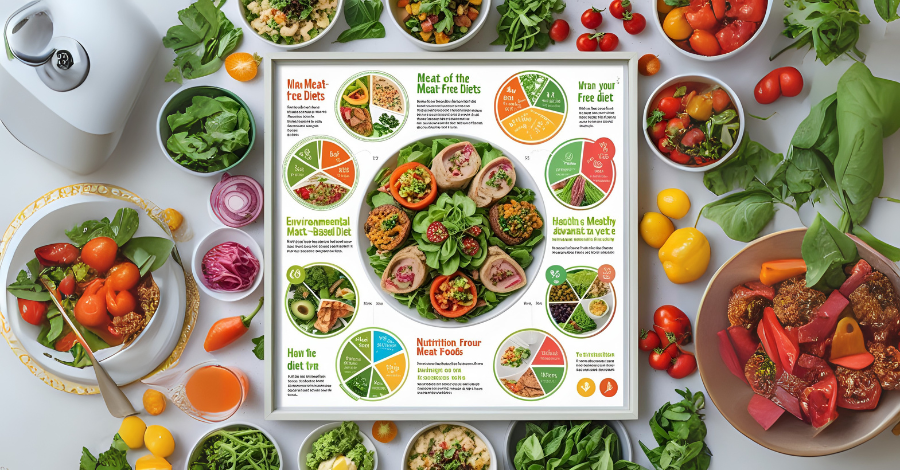
More and more people are choosing meat-free diets, whether for health, environmental, or ethical reasons. With the growing popularity of vegetarian and vegan lifestyles, many wonder how to maintain a balanced, nutrient-rich, and delicious diet without consuming animal meat.
In this article, you’ll learn about the benefits of cutting meat from your diet, smart plant-based swaps, and how to build a complete and nutritious meal plan.
Benefits of a Meat-Free Diet
Adopting a plant-based diet can offer several health advantages:
- Reduced cardiovascular risk: Studies show that vegetarian diets help lower bad cholesterol (LDL) and blood pressure.
- Improved digestion and gut health: High fiber intake supports better bowel function.
- Weight control: Meat-free diets tend to be lower in calories and richer in whole foods.
- Environmental sustainability: Reducing meat consumption helps lower greenhouse gas emissions and resource usage.
Types of Meat-Free Diets
There are different ways to follow a meat-free lifestyle:
- Lacto-ovo vegetarian: Excludes meat but allows dairy and eggs.
- Lacto-vegetarian: Includes dairy but excludes eggs and meat.
- Vegan: Avoids all animal products, including honey and gelatin.
- Flexitarian: Primarily plant-based, with occasional meat consumption.
Smart Plant-Based Protein Swaps
One of the main concerns when cutting meat is getting enough protein. Here are some top plant-based protein sources:
- Legumes (beans, lentils, chickpeas, peas)
- Tofu and tempeh
- Soy products (like textured vegetable protein)
- Quinoa, amaranth, and chia seeds
- Nuts (almonds, walnuts, cashews)
- Seeds (sunflower, pumpkin, flaxseed)
Combining legumes and whole grains (like rice and beans) provides all essential amino acids.
Do You Need Supplements?
A well-planned meat-free diet can meet most nutritional needs. However, some nutrients require extra attention:
- Vitamin B12: Found only in animal products, so supplementation is essential for vegetarians and vegans.
- Iron and zinc: Present in plant foods but less bioavailable. Consuming them with vitamin C enhances absorption.
- Omega-3: Found in flaxseeds, chia seeds, and algae-based supplements.
It’s always best to consult a nutritionist to tailor your diet to your individual needs.
How to Build a Balanced Meat-Free Plate
A well-rounded meal should include:
- A source of plant protein
- A portion of whole grain carbohydrate
- A variety of colorful vegetables
- A healthy fat (olive oil, avocado, nuts)
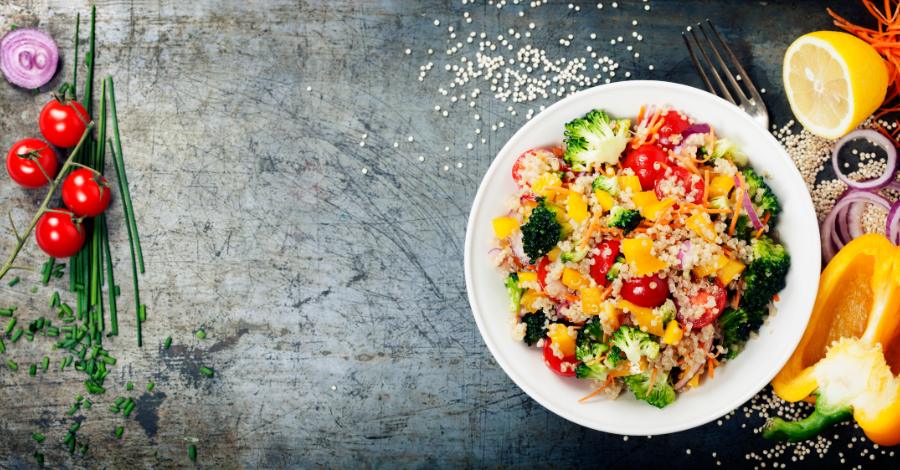
Example: brown rice + lentils + roasted pumpkin + sautéed kale + green salad with olive oil.
🔎 Looking for a natural way to boost your results?
Discover the power of Sumatra Slim Belly Tonic — a unique formula designed to target belly fat, support appetite control, and enhance your metabolism from the inside out.
👉 Click here to learn how it can transform your weight loss journey!
Conclusion
A meat-free diet is not only possible — it’s a delicious and powerful way to care for your health and the planet. With thoughtful planning and variety, you can meet all your nutritional needs through plant-based meals.
For more tips on healthy and sustainable eating, visit our website:
👉 https://healthcarecycles.com
Related Articles




0 Comments