
Introduction
Diabetes mellitus (DM) in children and adolescents is a chronic condition that affects how the body metabolizes glucose. With rising cases of both type 1 and type 2 diabetes in this age group, it is essential for parents, caregivers, and healthcare professionals to be well-informed about symptoms, causes, diagnostic methods, and treatment options.
This comprehensive guide covers:
- The types of diabetes affecting children and teens
- Early warning signs to watch for
- Risk factors and causes
- How diagnosis is confirmed
- Available treatments (including insulin therapy and lifestyle changes)
- Potential complications if diabetes is uncontrolled
- Tips for healthy living with diabetes
1. What is Diabetes Mellitus?
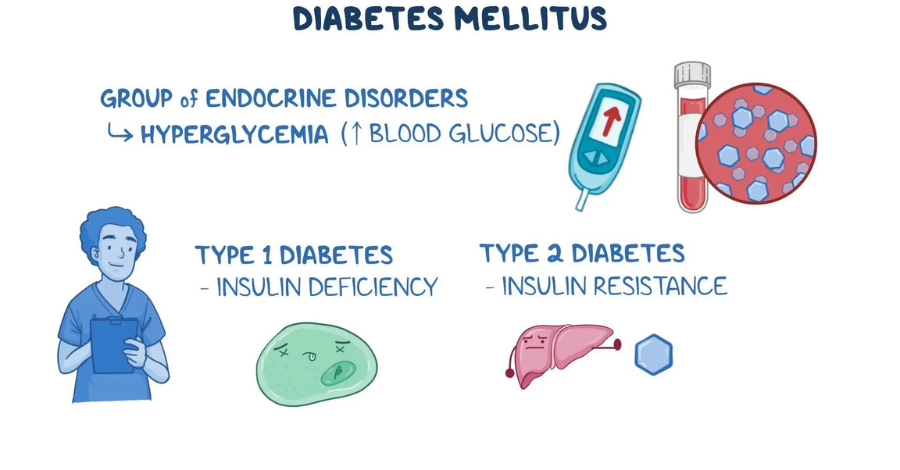
Diabetes mellitus is a metabolic disorder characterized by high blood glucose levels (hyperglycemia) due to either insufficient insulin production or the body’s inability to use insulin effectively.
In children and adolescents, the two main types are:
1.1 Type 1 Diabetes (T1D)
- Cause: An autoimmune disorder where the immune system attacks and destroys insulin-producing beta cells in the pancreas.
- Most common age group: Typically diagnosed between ages 5 and 15, but can occur at any age.
- Risk factors: Family history, genetic predisposition, and possible environmental triggers (e.g., viral infections).
1.2 Type 2 Diabetes (T2D)
- Cause: Insulin resistance, where the body fails to use insulin properly, often leading to eventual pancreatic burnout.
- Most common age group: Once rare in children, now increasing due to rising childhood obesity rates.
- Risk factors: Obesity, sedentary lifestyle, poor diet (high in sugar and processed foods), and family history.
2. Symptoms of Diabetes in Children and Teens
Early recognition of symptoms is crucial to prevent severe complications. Symptoms may develop rapidly (T1D) or gradually (T2D).
Common Symptoms (Both Types)
✅ Excessive thirst (polydipsia) – Constant need to drink water.
✅ Frequent urination (polyuria) – Waking up at night to urinate or bedwetting in previously toilet-trained children.
✅ Extreme hunger (polyphagia) – Eating more but losing weight.
✅ Fatigue and irritability – Low energy levels without explanation.
✅ Blurred vision – High blood sugar affects eye lens flexibility.
Specific Symptoms of Type 1 Diabetes
⚠ Rapid weight loss – The body burns fat and muscle for energy due to lack of glucose absorption.
⚠ Fruity-smelling breath – Sign of diabetic ketoacidosis (DKA), a life-threatening emergency.
Specific Symptoms of Type 2 Diabetes
⚠ Dark skin patches (acanthosis nigricans) – Often seen on the neck and armpits, indicating insulin resistance.
⚠ Slow-healing wounds or frequent infections – Yeast infections, urinary tract infections, or skin infections.
3. Causes and Risk Factors
Type 1 Diabetes
- Genetics: Family history increases risk.
- Environmental triggers: Viral infections (e.g., enteroviruses) may trigger an autoimmune response.
Type 2 Diabetes
- Childhood obesity: The leading risk factor.
- Physical inactivity: Lack of exercise worsens insulin resistance.
- Unhealthy diet: High sugar, processed foods, and sugary drinks contribute.
- Family history: Having a parent or sibling with T2D raises risk.

4. How is Diabetes Diagnosed?
Diagnosis is confirmed through blood tests:
🔬 Fasting blood glucose test
- Normal: < 100 mg/dL
- Prediabetes: 100–125 mg/dL
- Diabetes: ≥ 126 mg/dL
🔬 Hemoglobin A1C test
- Normal: < 5.7%
- Prediabetes: 5.7%–6.4%
- Diabetes: ≥ 6.5%
🔬 Oral glucose tolerance test (OGTT)
- Measures blood sugar before and 2 hours after consuming a sugary drink.
🔬 Random blood glucose test
- ≥ 200 mg/dL + symptoms = diabetes diagnosis.
5. Treatment for Diabetes in Children
Type 1 Diabetes Treatment
💉 Insulin therapy – Administered via injections or insulin pump.
📊 Blood sugar monitoring – Using a glucometer or continuous glucose monitor (CGM).
🍎 Balanced diet – Carbohydrate counting and fiber-rich foods.
🏃 Regular exercise – Helps regulate blood sugar levels.
Type 2 Diabetes Treatment
💊 Oral medications – Such as metformin (in some cases).
🥗 Dietary changes – Reducing sugar and refined carbs.
🏋 Daily physical activity – Improves insulin sensitivity.
⚠ May progress to insulin therapy if pancreas function declines.
6. Complications of Uncontrolled Diabetes

Without proper management, diabetes can lead to:
- Diabetic ketoacidosis (DKA) (life-threatening)
- Cardiovascular diseases (hypertension, stroke)
- Kidney damage (nephropathy)
- Nerve damage (neuropathy)
- Vision loss (retinopathy)
7. Prevention and Management Strategies
Preventing Type 1 Diabetes
❌ No known prevention, but research is ongoing.
Preventing Type 2 Diabetes
✅ Maintain a healthy weight
✅ Eat a balanced diet (low sugar, high fiber)
✅ Stay physically active
✅ Avoid sugary drinks and processed foods
Tips for Children with Diabetes
📌 Monitor blood sugar regularly
📌 Adjust insulin as needed (under medical guidance)
📌 Follow a personalized meal plan
📌 Engage in safe physical activities
Conclusion
Diabetes in children and teens requires ongoing care, but with proper treatment, they can lead healthy, active lives. Parents and caregivers should recognize early symptoms and seek prompt diagnosis to prevent complications.
🚀 Take Control of Your Blood Sugar with Gluco6 – Click to Learn How!
Struggling to maintain healthy blood sugar levels naturally? Gluco6 could be the game-changer you need!
👉 Why Choose Gluco6?
✔ 100% Natural Formula – No harmful side effects.
✔ Helps Regulate Blood Sugar – Combats glucose spikes effectively.
✔ Boosts Energy & Vitality – Say goodbye to constant fatigue.
✔ Supports Metabolic Health – Perfect for hormonal balance.
🔥 Don’t Let Diabetes Control Your Life!
👉 Click here to discover how Gluco6 can help you or your child live a healthier, more balanced life.
➡ TAKE CONTROL OF MY BLOOD SUGAR NOW!
Seize this opportunity and take the first step toward a healthier future! 🌟💙




0 Comments